
Introduction
The rapid growth of digital technology is changing the way businesses collect, process, and use data. Two of the most transformative technologies driving this digital revolution are Edge Computing and Artificial Intelligence (AI). Individually, both technologies offer powerful capabilities, but when combined, they create a highly efficient system that enables faster decisions, improved performance, and smarter applications.
Traditional Artificial Intelligence systems often depend on cloud computing to process large amounts of data. While cloud platforms provide significant computing power, sending data back and forth between devices and remote servers can create delays. This limitation becomes a challenge for applications that require instant responses, such as autonomous vehicles, smart factories, healthcare monitoring, and security systems.
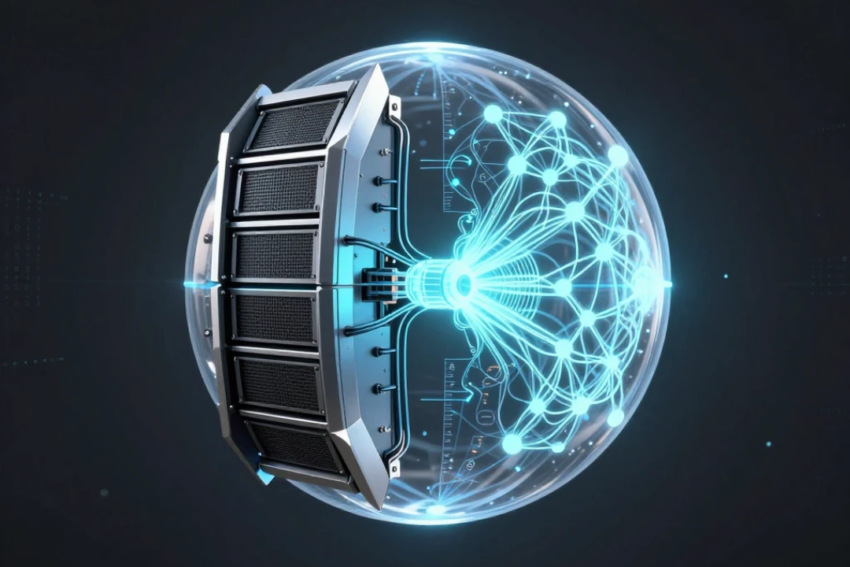
Edge Computing solves this problem by bringing data processing closer to the source where information is generated. When AI algorithms run directly on edge devices, organizations can analyze data in real time, reduce latency, improve privacy, and create more intelligent systems.
This article explores how Edge Computing and Artificial Intelligence work together, their applications, benefits, challenges, and how this powerful combination is shaping the future of technology.
What Is Edge Computing?
Edge Computing is a modern computing approach that processes data closer to the location where it is created instead of sending all information to centralized cloud servers.
In traditional cloud-based systems, devices collect data and send it over the internet to remote data centers for processing. The results are then sent back to the device. This process can cause delays, especially when dealing with massive amounts of data.
Edge Computing reduces these delays by using local processing devices such as:
- Edge servers
- Smart gateways
- IoT devices
- Industrial computers
- Connected sensors
By processing data locally, edge computing improves speed, reliability, and efficiency.
What Is Artificial Intelligence?
Artificial Intelligence is a technology that enables machines and software systems to perform tasks that normally require human intelligence.
AI systems can:
- Learn from data
- Recognize patterns
- Make predictions
- Understand images and speech
- Automate decision-making
Machine learning and deep learning are major branches of AI that allow systems to improve their performance over time.
AI is already used in many areas, including healthcare, finance, transportation, manufacturing, and customer service.
Why Combine Edge Computing and Artificial Intelligence?
Artificial Intelligence requires large amounts of data to operate effectively. However, sending all this data to cloud servers can create problems such as latency, bandwidth limitations, and privacy concerns.
The combination of Edge Computing and AI creates a solution by allowing intelligent processing to happen closer to the data source.
This powerful combination provides:
- Faster response times
- Real-time decision-making
- Reduced network usage
- Improved security
- Greater reliability
Together, edge computing and AI enable smarter devices and more efficient digital systems.
How Edge AI Works
Edge AI refers to the use of Artificial Intelligence algorithms directly on edge devices.
The process works in three main steps:
1. Data Collection
Sensors, cameras, and connected devices collect information from the environment.
2. Local AI Processing
AI models analyze the data directly on edge devices instead of sending everything to the cloud.
3. Instant Decision-Making
The system quickly responds based on AI-generated insights.
For example, a smart security camera can identify unusual activity and send an alert immediately without waiting for cloud processing.
Applications of Edge Computing and Artificial Intelligence
1. Autonomous Vehicles
Self-driving vehicles require instant decision-making to operate safely.
Edge AI helps vehicles process information from:
- Cameras
- Sensors
- Radar systems
- GPS data
The vehicle can quickly identify obstacles, detect pedestrians, and adjust driving decisions without depending entirely on cloud connectivity.
2. Smart Manufacturing
Industries are using Edge AI to create intelligent factories.
Manufacturing systems use AI-powered edge devices for:
- Predictive maintenance
- Quality inspection
- Robot control
- Production optimization
Machines can detect problems before failures occur, reducing downtime and improving efficiency.
3. Healthcare Technology
Edge AI is transforming healthcare by enabling faster medical analysis.
Applications include:
- Real-time patient monitoring
- AI-powered medical devices
- Smart health sensors
- Medical image analysis
Healthcare providers can receive immediate insights while keeping sensitive patient data more secure.
4. Smart Cities
Modern cities generate huge amounts of data through connected devices.
Edge AI improves:
- Traffic management
- Public safety
- Smart lighting
- Environmental monitoring
- Waste management
For example, intelligent traffic systems can analyze road conditions and adjust signals in real time to reduce congestion.
5. Retail and Customer Experience
Retail businesses use Edge AI to improve customer experiences.
Applications include:
- Smart checkout systems
- Customer behavior analysis
- Inventory monitoring
- Personalized recommendations
Stores can make faster decisions while improving operational efficiency.
6. Agriculture and Smart Farming
Agriculture is becoming more intelligent with Edge AI technologies.
Farmers use AI-powered edge devices to monitor:
- Crop health
- Soil conditions
- Weather changes
- Irrigation requirements
Real-time analysis helps increase crop production while reducing resource usage.
7. Cybersecurity
Edge AI improves cybersecurity by detecting threats quickly.
AI systems analyze network activity locally and identify suspicious behavior before major damage occurs.
This helps organizations protect sensitive information and respond faster to cyber threats.
Benefits of Edge Computing and Artificial Intelligence
Real-Time Processing
The biggest advantage of Edge AI is speed.
Data is analyzed immediately, allowing systems to make decisions without delays.
Reduced Latency
Processing data near the source eliminates unnecessary communication delays.
This is critical for applications requiring instant responses.
Improved Privacy and Security
Sensitive data can be processed locally instead of being transferred to external servers.
This reduces exposure to potential security risks.
Lower Bandwidth Costs
Edge AI reduces the amount of data sent to the cloud, lowering network usage and costs.
Increased Reliability
Edge devices can continue operating even when internet connectivity is limited or unavailable.
Better Scalability
Organizations can expand intelligent systems without overwhelming centralized cloud infrastructure.
Challenges of Edge AI
Although Edge Computing and Artificial Intelligence offer many advantages, several challenges remain.
Limited Computing Power
Edge devices often have fewer resources compared to powerful cloud servers.
Developers must create efficient AI models that can run on smaller devices.
Security Risks
Connected edge devices can become targets for cyberattacks.
Strong encryption, authentication, and security updates are necessary.
High Development Costs
Creating and maintaining Edge AI systems requires investment in hardware, software, and skilled professionals.
Data Management
Managing large amounts of distributed data across many edge devices can be complex.
Organizations need effective data management strategies.
The Future of Edge Computing and Artificial Intelligence
The future of Edge AI looks extremely promising as technology continues to advance.
Future developments may include:
- More intelligent autonomous systems
- Advanced robotics
- AI-powered smart homes
- Next-generation healthcare devices
- Fully automated factories
- Smarter transportation networks
The growth of 5G networks will further accelerate Edge AI adoption by providing faster and more reliable communication between devices.
As AI models become smaller and more efficient, they will run on a wider range of edge devices, making intelligent technology more accessible.
Best Practices for Implementing Edge AI
Organizations adopting Edge AI should:
- Choose suitable hardware for AI workloads.
- Focus on data security and privacy.
- Regularly update AI models.
- Monitor system performance.
- Combine edge processing with cloud capabilities when needed.
- Train employees to manage new technologies.
A balanced approach helps businesses achieve maximum benefits from Edge Computing and Artificial Intelligence.
Conclusion
Edge Computing and Artificial Intelligence represent a powerful combination that is transforming the digital world. By bringing AI processing closer to data sources, organizations can achieve faster decisions, improved security, reduced costs, and better performance.
From autonomous vehicles and smart factories to healthcare, agriculture, and smart cities, Edge AI is creating new possibilities across industries. Although challenges such as security, cost, and limited device resources remain, continuous innovation is making this technology more powerful and accessible.
As businesses continue their digital transformation journey, the combination of Edge Computing and Artificial Intelligence will play a critical role in building smarter, faster, and more efficient systems for the future.