
Introduction
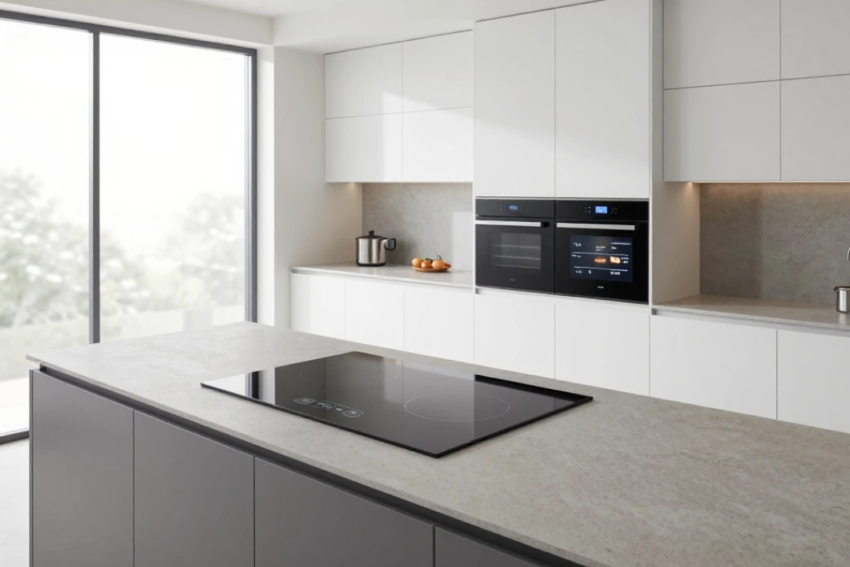
Technology is changing every part of our daily lives, and the kitchen is no exception. Modern kitchens are becoming smarter, more efficient, and more connected through advanced technologies such as Artificial Intelligence (AI), Internet of Things (IoT), automation, and smart appliances. This transformation has created a new era known as Smart Kitchen Technology.
A smart kitchen uses connected devices and intelligent systems to make cooking easier, faster, safer, and more convenient. From smart refrigerators that track food inventory to AI-powered cooking assistants that provide recipes and instructions, technology is redefining the way people prepare meals.
As lifestyles become busier and consumers demand more convenience, smart kitchen technology is becoming increasingly popular. These innovations help reduce food waste, improve energy efficiency, enhance cooking accuracy, and create personalized cooking experiences.
This article explores how smart kitchen technology is shaping the future of cooking, its benefits, applications, challenges, and the exciting innovations that will define tomorrow’s kitchens.
What Is Smart Kitchen Technology?
Smart kitchen technology refers to the use of advanced digital tools, connected appliances, sensors, and artificial intelligence to improve kitchen operations.
Unlike traditional kitchen appliances, smart devices can communicate with users and other devices through internet connectivity. They can collect data, analyze information, and automatically perform tasks to improve efficiency.
Examples of smart kitchen technology include:
- Smart refrigerators
- AI cooking assistants
- Smart ovens
- Voice-controlled devices
- Automated coffee makers
- Connected kitchen sensors
- Smart dishwashers
These technologies create a more convenient and intelligent cooking environment.
How Smart Kitchen Technology Works
Smart kitchens depend on several advanced technologies working together.
Internet of Things (IoT)
IoT allows kitchen devices to connect and exchange information through the internet.
For example, a smart refrigerator can monitor food items, track expiration dates, and send alerts to a smartphone.
Artificial Intelligence (AI)
AI enables smart kitchen devices to learn user preferences and provide intelligent recommendations.
AI can help with:
- Recipe suggestions
- Cooking adjustments
- Meal planning
- Food recognition
Automation
Automation allows appliances to perform tasks with minimal human effort.
Examples include:
- Automatic cooking programs
- Self-cleaning ovens
- Smart timers
- Automated temperature control
Smart Kitchen Appliances Changing the Future of Cooking
1. Smart Refrigerators
Smart refrigerators are among the most popular smart kitchen devices.
Modern smart refrigerators can:
- Monitor food inventory
- Track expiration dates
- Suggest recipes
- Adjust cooling settings
- Create shopping lists
Some models include cameras that allow users to view refrigerator contents remotely.
This technology helps reduce food waste and improves meal planning.
2. Smart Ovens
Smart ovens are transforming traditional cooking methods.
They use sensors and AI technology to control:
- Temperature
- Cooking time
- Food preparation settings
Some smart ovens can automatically recognize food types and adjust cooking programs for better results.
This helps users prepare restaurant-quality meals with less effort.
3. AI Cooking Assistants
AI cooking assistants are becoming valuable tools for home cooks.
These systems provide:
- Step-by-step cooking instructions
- Recipe recommendations
- Ingredient substitutions
- Personalized meal suggestions
AI assistants can help beginners learn cooking skills while helping experienced cooks explore new recipes.
4. Smart Coffee Makers
Smart coffee makers allow users to customize their coffee experience.
Features include:
- Remote control through smartphones
- Personalized brewing settings
- Automatic scheduling
- Voice commands
Users can prepare coffee before even entering the kitchen.
5. Smart Dishwashers
Smart dishwashers improve cleaning efficiency by using sensors to analyze:
- Dish quantity
- Dirt levels
- Water usage
They automatically adjust cleaning cycles to save energy and water.
Benefits of Smart Kitchen Technology
1. Greater Convenience
The biggest advantage of smart kitchen technology is convenience.
Connected appliances automate many everyday tasks, saving time and reducing effort.
Users can control devices remotely, receive alerts, and manage cooking processes more easily.
2. Improved Cooking Accuracy
Smart appliances use sensors and intelligent systems to maintain precise cooking conditions.
This helps prevent:
- Overcooking
- Undercooking
- Food waste
Smart ovens and cooking systems ensure consistent results.
3. Reduced Food Waste
Food waste is a major global problem.
Smart kitchen technology helps reduce waste by:
- Tracking food expiration dates
- Monitoring inventory
- Suggesting recipes based on available ingredients
This helps households use food more efficiently.
4. Energy Efficiency
Smart appliances can reduce energy consumption by automatically adjusting performance.
Examples include:
- Energy-saving refrigerator modes
- Efficient dishwasher cycles
- Smart power management
This lowers electricity costs and supports environmental sustainability.
5. Personalized Cooking Experiences
AI-powered kitchen systems can learn user preferences.
They can recommend:
- Favorite meals
- Healthy recipes
- Dietary options
- Cooking methods
This creates a more personalized kitchen experience.
Smart Kitchen Technology and Healthy Eating
Smart kitchens can support healthier lifestyles by providing better food information.
Advanced kitchen devices can help users:
- Track nutrition
- Plan balanced meals
- Monitor ingredients
- Reduce unhealthy food choices
AI-powered systems may analyze dietary needs and suggest meals based on health goals.
This makes smart kitchens valuable tools for modern wellness.
The Role of AI in Smart Kitchens
Artificial Intelligence is one of the most important technologies driving smart kitchen innovation.
AI helps kitchens become more intelligent by analyzing user behavior and improving recommendations.
Future AI kitchen systems may:
- Create personalized meal plans
- Automatically order groceries
- Adjust recipes based on available ingredients
- Provide cooking guidance in real time
AI will continue making kitchens more adaptive and user-friendly.
Smart Kitchens and Sustainability
Smart kitchen technology supports environmentally friendly living.
It helps sustainability through:
- Reduced food waste
- Lower energy consumption
- Efficient water usage
- Better resource management
As environmental concerns increase, smart kitchens will play an important role in creating sustainable homes.
Challenges of Smart Kitchen Technology
Although smart kitchens offer many advantages, some challenges remain.
High Costs
Smart appliances often cost more than traditional kitchen equipment.
The initial investment can be a barrier for some consumers.
Privacy and Security Risks
Connected devices collect user data, creating concerns about privacy and cybersecurity.
Manufacturers must ensure strong security measures to protect consumer information.
Technical Complexity
Some users may find smart appliances difficult to set up and manage.
Simple interfaces and better user education are needed for wider adoption.
Dependence on Internet Connectivity
Many smart kitchen devices require internet access to function properly.
Network problems may affect device performance.
The Future of Smart Kitchen Technology
The future of smart kitchens looks highly innovative.
Upcoming developments may include:
- Fully automated cooking systems
- AI-powered personal chefs
- Robotic kitchen assistants
- Advanced food scanners
- Smart grocery management
- Voice-controlled cooking environments
Future kitchens may understand user habits, prepare meals automatically, and provide intelligent assistance throughout the cooking process.
As AI, robotics, and IoT technologies continue to improve, smart kitchens will become more common in homes worldwide.
How Smart Kitchen Technology Is Changing Modern Homes
Smart kitchen technology is not only improving cooking but also changing how people interact with their homes.
Future homes will become more connected, where appliances communicate with each other and work together automatically.
For example:
- A refrigerator can suggest dinner options.
- An oven can prepare meals automatically.
- A smart assistant can manage grocery shopping.
These innovations will make kitchens more efficient and enjoyable.
Conclusion
Smart Kitchen Technology is transforming the future of cooking by combining AI, IoT, automation, and connected appliances. These innovations make cooking easier, reduce waste, improve energy efficiency, and provide personalized experiences.
From smart refrigerators and AI cooking assistants to automated ovens and connected devices, modern kitchens are becoming more intelligent and convenient.
Although challenges such as cost, privacy, and technical complexity remain, the benefits of smart kitchen technology continue to drive its growth.
As technology advances, smart kitchens will become an essential part of modern homes, creating a future where cooking is faster, smarter, healthier, and more enjoyable.