
Introduction
Food waste is one of the biggest challenges facing the world today. Millions of tons of food are wasted every year due to problems in production, storage, transportation, retail, and household consumption. At the same time, millions of people around the world face food insecurity and limited access to nutritious meals.
To address this growing problem, Sustainable Food Technology is becoming an important solution. By combining advanced technologies such as Artificial Intelligence (AI), Internet of Things (IoT), smart farming, biotechnology, and innovative food preservation methods, sustainable food technology is helping reduce waste and create a more efficient food system.
These technologies allow farmers, businesses, and consumers to manage food resources more effectively. From predicting crop demand to extending food shelf life, technology is changing the way food is produced, stored, and consumed.
This article explores how sustainable food technology is reducing global food waste, the innovations driving change, its benefits, challenges, and its role in creating a more sustainable future.
What Is Sustainable Food Technology?
Sustainable food technology refers to the use of advanced tools and innovative solutions to produce, process, distribute, and manage food in environmentally responsible ways.
The main goal of sustainable food technology is to create a food system that:
- Reduces food waste
- Saves natural resources
- Improves food production efficiency
- Supports environmental protection
- Provides healthier food options
It combines technology with sustainability principles to solve modern food challenges.
Examples of sustainable food technologies include:
- Smart farming systems
- AI-based food monitoring
- Food preservation technologies
- Vertical farming
- Alternative food production
- Smart packaging solutions
Understanding the Global Food Waste Problem
Food waste occurs at every stage of the food supply chain.
Major sources of food waste include:
1. Agricultural Waste
Farmers may lose crops due to:
- Weather conditions
- Pests
- Poor harvesting methods
- Lack of storage facilities
Technology can help farmers predict problems and improve crop management.
2. Transportation and Storage Losses
Food often gets damaged during transportation because of improper handling and storage conditions.
Temperature changes, delays, and poor logistics contribute to significant waste.
Smart monitoring systems help maintain better conditions throughout the supply chain.
3. Retail and Household Waste
Supermarkets and households waste food due to:
- Expired products
- Over-purchasing
- Poor inventory management
- Consumer behavior
Technology provides solutions to track food usage and reduce unnecessary waste.
How Sustainable Food Technology Reduces Food Waste
1. Artificial Intelligence for Food Waste Prediction
Artificial Intelligence is playing a major role in reducing food waste.
AI systems can analyze large amounts of data to predict:
- Food demand
- Consumer behavior
- Crop production
- Market trends
Businesses can use these predictions to produce and stock the right amount of food.
This prevents overproduction and reduces unnecessary waste.
For example, supermarkets can use AI systems to understand buying patterns and manage inventory more efficiently.
2. Smart Farming Technology
Smart farming uses technology to improve agricultural efficiency.
Farmers use:
- Sensors
- Drones
- AI analytics
- Automated irrigation systems
These tools help monitor:
- Soil conditions
- Crop health
- Water usage
- Weather patterns
By identifying problems early, farmers can reduce crop losses and increase productivity.
3. IoT-Based Food Monitoring Systems
The Internet of Things (IoT) connects devices and sensors to monitor food conditions in real time.
IoT technology can track:
- Temperature
- Humidity
- Storage conditions
- Transportation conditions
For example, smart sensors in food storage facilities can detect temperature changes and prevent spoilage.
This helps maintain food quality from farms to consumers.
4. Smart Food Packaging
Traditional packaging often provides limited information about food freshness.
Smart packaging technology uses sensors and indicators to monitor food conditions.
Smart packaging can:
- Detect spoilage
- Show freshness levels
- Extend shelf life
- Reduce unnecessary disposal
This allows consumers and businesses to make better decisions about food usage.
5. Advanced Food Preservation Technology
Food preservation plays an important role in reducing waste.
Modern preservation technologies include:
- High-pressure processing
- Advanced refrigeration systems
- Natural preservation methods
- Improved packaging techniques
These methods help food stay fresh longer without reducing quality.
Longer shelf life means less food is thrown away.
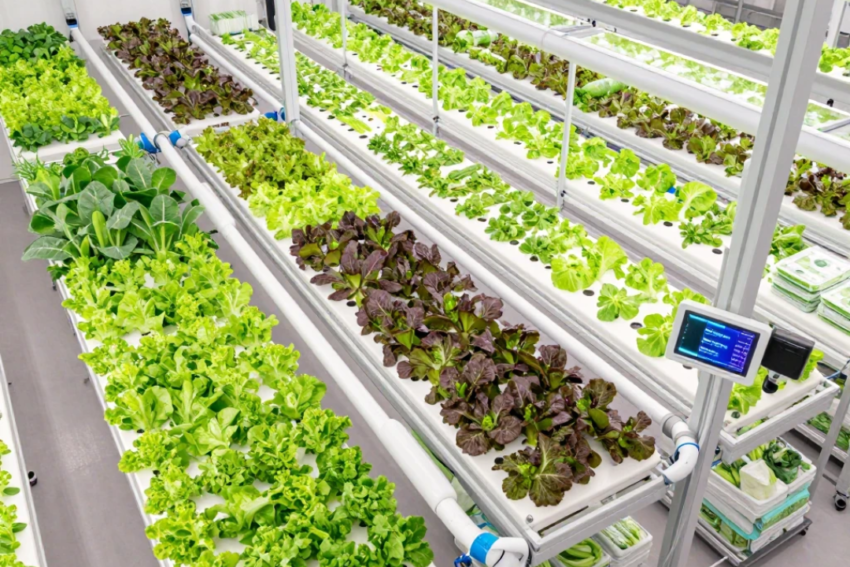
6. Vertical Farming and Controlled Agriculture
Vertical farming is an innovative approach to sustainable food production.
It involves growing crops in controlled indoor environments using advanced technology.
Benefits include:
- Less water usage
- Reduced crop losses
- Year-round production
- Better quality control
Because crops are grown in controlled conditions, vertical farming reduces waste caused by weather and environmental challenges.
7. Blockchain Technology in Food Supply Chains
Blockchain technology improves transparency in food systems.
It allows businesses to track food products from farms to consumers.
Blockchain helps identify:
- Product origins
- Transportation history
- Storage conditions
- Quality information
Better tracking reduces inefficiencies and helps prevent food losses.
8. Food Recycling and Upcycling Technology
Food technology is creating new ways to reuse food waste.
Food upcycling transforms leftover materials into valuable products.
Examples include:
- Using fruit waste for ingredients
- Creating animal feed from food byproducts
- Producing sustainable packaging materials
These methods reduce waste and create additional value from unused resources.
Benefits of Sustainable Food Technology
1. Reduced Environmental Impact
Food waste contributes to greenhouse gas emissions and unnecessary resource consumption.
Sustainable food technology helps reduce:
- Carbon emissions
- Water waste
- Energy consumption
This supports environmental protection.
2. Improved Food Security
Reducing food waste means more food resources are available for people.
Technology helps increase efficiency throughout the food supply chain, improving global food availability.
3. Lower Business Costs
Food waste creates financial losses for farmers, retailers, and restaurants.
Smart technology helps businesses:
- Manage inventory better
- Reduce spoilage
- Improve efficiency
This leads to cost savings.
4. Better Resource Management
Sustainable food technology helps optimize the use of:
- Water
- Land
- Energy
- Raw materials
This creates a more efficient food system.
5. Healthier Food Systems
Advanced food technologies improve food quality and safety.
Better monitoring and preservation methods help deliver fresher and safer food to consumers.
Challenges of Sustainable Food Technology
Although sustainable food technology offers many benefits, several challenges remain.
High Implementation Costs
Advanced technologies require investment in:
- Equipment
- Research
- Infrastructure
Small farmers and businesses may struggle with adoption costs.
Lack of Technical Knowledge
Many users need training to operate advanced agricultural and food technologies.
Education and support are necessary for successful implementation.
Data Security Issues
Connected food systems collect large amounts of data.
Protecting this information is important to maintain trust and security.
Limited Accessibility
Developing regions may have limited access to advanced technology due to infrastructure challenges.
Greater investment is needed to make sustainable solutions available worldwide.
The Future of Sustainable Food Technology
The future of sustainable food technology looks promising as innovation continues.
Future developments may include:
- AI-powered food management systems
- More advanced vertical farming
- Automated food production
- Smart supply chains
- Improved food recycling methods
As technology becomes more affordable and accessible, more industries will adopt sustainable solutions.
The combination of technology and sustainability will help create a food system that produces less waste while meeting the needs of a growing global population.
How Consumers Can Support Sustainable Food Technology
Consumers also play an important role in reducing food waste.
People can support sustainability by:
- Using smart food storage methods
- Planning meals carefully
- Reducing unnecessary purchases
- Choosing sustainable products
- Supporting innovative food companies
Small actions combined with advanced technology can create significant positive change.
Conclusion
Sustainable Food Technology is transforming the way the world produces, manages, and consumes food. Through AI, IoT, smart farming, advanced packaging, and innovative preservation methods, technology is helping reduce global food waste and create a more efficient food system.
Although challenges such as cost and accessibility remain, the benefits of sustainable food technology are clear. It helps protect the environment, improve food security, reduce business losses, and support a healthier future.
As technology continues to advance, sustainable food solutions will become increasingly important in building a world where food resources are used responsibly and waste is minimized.