
Introduction
Computing technology has transformed the modern world by powering everything from smartphones and websites to artificial intelligence and advanced scientific research. For decades, classical computing has been the foundation of digital innovation. However, as technology advances and problems become more complex, a new type of computing called quantum computing is emerging as a potential game changer.
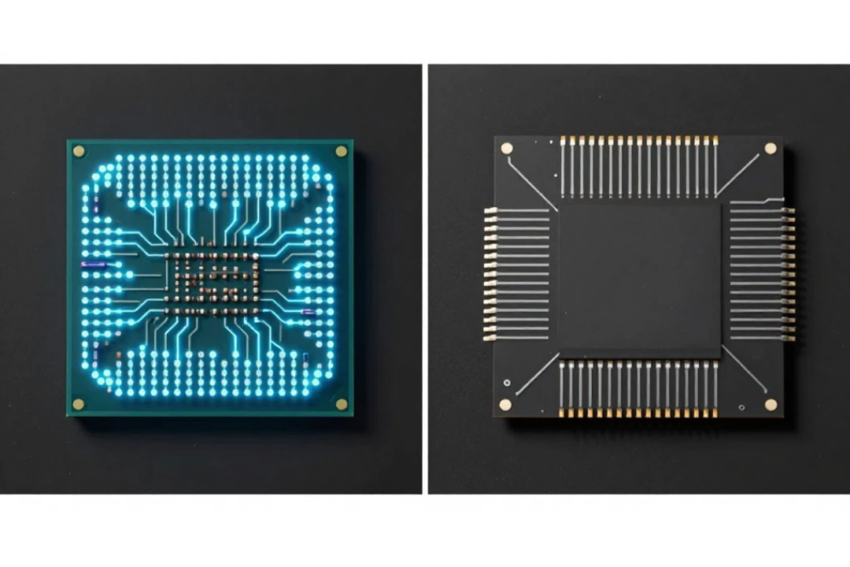
The difference between Quantum Computing vs Classical Computing is based on how these systems process information. Classical computers use traditional binary bits, while quantum computers use quantum bits, known as qubits, to perform calculations in a completely different way.
While classical computers are excellent for everyday tasks, quantum computers are designed to solve highly complex problems that may be impossible or extremely time-consuming for traditional systems.
This article explains the key differences between quantum computing and classical computing, how they work, their advantages, applications, challenges, and how both technologies will shape the future of computing.
What Is Classical Computing?
Classical computing refers to the traditional computing systems that have been used for decades.
A classical computer processes information using bits, which are the smallest units of digital data. Each bit can have only one of two values:
- 0
- 1
These binary values create the foundation of all modern digital systems, including computers, smartphones, servers, and electronic devices.
Classical computers use processors called CPUs and GPUs to perform calculations through logical operations. They are extremely reliable and powerful for most everyday tasks.
Examples of classical computing applications include:
- Web browsing
- Mobile applications
- Video streaming
- Business software
- Gaming
- Data storage
What Is Quantum Computing?
Quantum computing is an advanced computing method that uses principles of quantum physics to process information.
Instead of using traditional bits, quantum computers use qubits.
A qubit can exist in multiple states because of quantum properties such as:
- Superposition
- Quantum entanglement
- Quantum interference
These properties allow quantum computers to analyze many possibilities at the same time, making them powerful for solving certain complex problems.
Quantum computing is mainly designed for specialized tasks rather than replacing traditional computers completely.
Quantum Computing vs Classical Computing: How They Work
Classical Computing Process
Classical computers process information step by step.
A traditional computer:
- Receives input data.
- Processes information using binary bits.
- Performs calculations through logical operations.
- Produces output results.
Although modern processors are extremely fast, they still follow classical computing principles.
Quantum Computing Process
Quantum computers use quantum mechanics to process information differently.
A quantum system:
- Stores information using qubits.
- Uses superposition to represent multiple possibilities.
- Uses entanglement to connect quantum states.
- Uses quantum algorithms to solve complex problems.
This allows quantum computers to approach certain problems in completely new ways.
Key Differences Between Quantum Computing and Classical Computing
1. Data Processing Units
Classical Computing
Classical computers use bits.
A bit can store only one value:
- 0
- 1
Quantum Computing
Quantum computers use qubits.
A qubit can represent multiple states simultaneously because of superposition.
This allows quantum computers to process information more efficiently for specific problems.
2. Processing Power
Classical Computing
Classical computers increase performance through:
- Faster processors
- More memory
- Improved hardware design
They are highly effective for general-purpose computing.
Quantum Computing
Quantum computers use quantum effects to handle extremely complex calculations.
They can potentially solve problems that would take classical computers thousands or millions of years.
3. Problem-Solving Approach
Classical Computing
Classical computers usually analyze possibilities one after another.
Quantum Computing
Quantum computers can explore multiple possibilities simultaneously through quantum states.
This makes them useful for optimization, simulations, and complex mathematical problems.
4. Hardware Requirements
Classical Computers
Classical computers can operate in normal environments.
Examples include:
- Laptops
- Desktop computers
- Smartphones
Quantum Computers
Quantum computers require highly controlled environments.
They often need:
- Extremely low temperatures
- Specialized equipment
- Advanced cooling systems
Maintaining stable qubits is one of the biggest challenges in quantum technology.
5. Speed and Performance
Classical computers are faster for everyday tasks such as:
- Writing documents
- Browsing websites
- Running applications
Quantum computers may be faster for specialized problems involving:
- Complex simulations
- Optimization
- Molecular analysis
- Advanced calculations
Applications of Classical Computing
Classical computing continues to power most modern technology.
Major applications include:
Personal Computing
Laptops and desktop computers rely on classical processors for everyday tasks.
Business Operations
Companies use classical systems for:
- Accounting
- Data management
- Communication
- Enterprise software
Entertainment
Streaming services, gaming platforms, and digital media depend heavily on classical computing.
Internet Infrastructure
Servers and networking systems use classical technology to operate global online services.
Applications of Quantum Computing
Quantum computing has the potential to transform several industries.
1. Healthcare and Drug Discovery
Quantum computers can simulate complex molecules and chemical reactions, helping researchers develop new medicines faster.
2. Artificial Intelligence
Quantum computing may improve AI by enhancing:
- Machine learning algorithms
- Data analysis
- Pattern recognition
3. Cybersecurity
Quantum technology may create advanced security systems while also requiring new methods to protect against quantum-based attacks.
4. Financial Services
Quantum computing can help optimize:
- Investment strategies
- Risk analysis
- Market predictions
5. Climate Research
Quantum systems may improve environmental simulations and help researchers develop sustainable solutions.
Advantages of Classical Computing
Classical computing offers several benefits:
Reliability
Traditional computers are highly stable and dependable.
Accessibility
Classical devices are widely available and affordable.
Versatility
They can perform a wide range of everyday tasks.
Established Technology
Decades of development have created strong hardware and software ecosystems.
Advantages of Quantum Computing
Quantum computing provides unique advantages:
Solving Complex Problems
Quantum computers can handle calculations beyond the capabilities of classical systems.
Faster Simulations
They can analyze complex systems more efficiently.
Advanced Optimization
Quantum algorithms can improve solutions for difficult planning problems.
Scientific Innovation
Quantum computing can accelerate discoveries in medicine, energy, and materials science.
Limitations of Classical Computing
Although classical computers are powerful, they have limitations.
Processing Limits
Some complex calculations require enormous amounts of time.
Energy Consumption
Large computing systems require significant energy.
Data Complexity
Modern data challenges are becoming increasingly difficult for traditional systems.
Limitations of Quantum Computing
Quantum computing also faces challenges.
Technical Complexity
Quantum systems are difficult to build and maintain.
High Costs
Developing quantum hardware requires significant investment.
Error Rates
Qubits are sensitive and can experience errors.
Limited Availability
Quantum computers are currently mainly available through research organizations and technology companies.
Will Quantum Computers Replace Classical Computers?
Quantum computers are not expected to replace classical computers completely.
Instead, the future will likely involve a combination of both technologies.
Classical computers will continue handling everyday tasks, while quantum computers will focus on specialized problems requiring advanced calculations.
This hybrid approach will allow organizations to benefit from the strengths of both systems.
The Future of Quantum and Classical Computing
The future of computing will involve continuous innovation in both areas.
Classical computing will continue improving through:
- Faster processors
- Better energy efficiency
- Advanced artificial intelligence integration
Quantum computing will advance through:
- Better qubit technology
- Improved error correction
- More practical applications
Together, these technologies will create a more powerful and intelligent digital ecosystem.
Conclusion
The comparison between Quantum Computing vs Classical Computing shows that both technologies have unique strengths and purposes. Classical computing remains the foundation of modern digital life, powering everyday applications and services around the world.
Quantum computing represents the next generation of problem-solving technology, offering new possibilities for complex calculations, scientific discoveries, artificial intelligence, and advanced innovation.
While quantum computers are still developing, they have the potential to transform industries and expand the limits of what technology can achieve.
The future of computing will not be about choosing between quantum and classical systems. Instead, both technologies will work together to create faster, smarter, and more efficient solutions for the digital world.