
Introduction
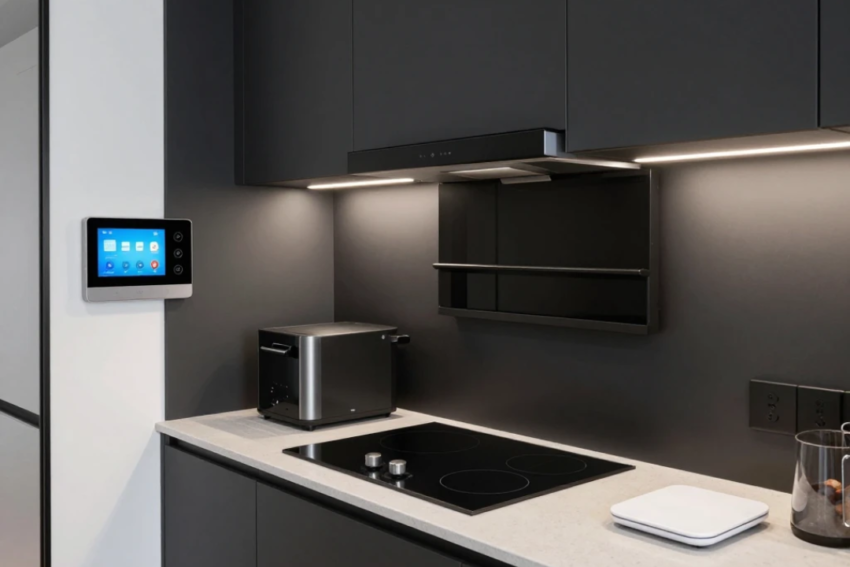
The kitchen has always been the heart of the home, but modern technology is transforming it into a smarter, more efficient, and more connected space. With the rise of Artificial Intelligence (AI), Internet of Things (IoT), automation, and advanced appliances, traditional kitchens are evolving into smart kitchens that make cooking easier, faster, and more enjoyable.
Smart kitchens combine innovative devices and intelligent systems to improve everyday cooking experiences. From refrigerators that monitor food supplies to ovens that automatically adjust cooking settings, modern technology is changing the way people prepare meals and manage their kitchens.
As lifestyles become increasingly busy, people are looking for solutions that save time, reduce waste, and improve convenience. Smart kitchen technology provides these benefits by offering automation, personalization, and better control over kitchen activities.
This article explores how smart kitchens are revolutionizing cooking, the technologies behind them, their benefits, challenges, and what the future holds for modern kitchen innovation.
What Are Smart Kitchens?
A smart kitchen is a modern kitchen equipped with connected appliances, digital tools, and intelligent technologies that help users cook and manage tasks more efficiently.
Unlike traditional kitchens, smart kitchens use sensors, internet connectivity, and artificial intelligence to collect information, analyze data, and perform automated actions.
Examples of smart kitchen technology include:
- Smart refrigerators
- AI-powered ovens
- Voice-controlled assistants
- Connected coffee makers
- Smart cooking devices
- Automated cleaning appliances
These technologies work together to create a more convenient and efficient cooking environment.
How Modern Technology Powers Smart Kitchens
Smart kitchens depend on several advanced technologies that allow appliances to communicate and operate intelligently.
Internet of Things (IoT)
The Internet of Things connects kitchen devices through the internet, allowing them to exchange information and be controlled remotely.
For example, a smart refrigerator can send notifications to a smartphone when food is running low or when products are close to expiration.
IoT technology helps create a connected kitchen where devices work together seamlessly.
Artificial Intelligence (AI)
Artificial Intelligence allows smart kitchen devices to learn user habits and provide intelligent recommendations.
AI can help with:
- Recipe suggestions
- Meal planning
- Cooking adjustments
- Food recognition
- Personalized recommendations
AI-powered kitchens become smarter over time by understanding user preferences.
Automation
Automation reduces the need for manual effort by allowing appliances to complete tasks automatically.
Examples include:
- Automatic temperature control
- Smart cooking programs
- Self-cleaning systems
- Scheduled appliance operation
Automation makes cooking more convenient and efficient.
Smart Kitchen Technologies Changing Cooking
1. Smart Refrigerators
Smart refrigerators are one of the most popular examples of modern kitchen technology.
These advanced appliances can:
- Track food inventory
- Monitor expiration dates
- Suggest recipes
- Control temperature automatically
- Create shopping lists
Some smart refrigerators include internal cameras, allowing users to check their food supply remotely.
This helps reduce food waste and improves grocery management.
2. Intelligent Cooking Appliances
Modern cooking appliances are becoming more advanced through AI and sensors.
Smart ovens and cookers can automatically adjust:
- Temperature
- Cooking duration
- Cooking methods
They help users achieve better cooking results without requiring professional skills.
These appliances are especially useful for busy families and beginner cooks.
3. Voice-Controlled Kitchen Assistants
Voice assistants are becoming an important part of smart kitchens.
Users can control devices and access information using simple voice commands.
They can:
- Set cooking timers
- Find recipes
- Convert measurements
- Create shopping lists
- Play cooking instructions
Voice technology allows users to manage kitchen tasks hands-free.
4. Smart Coffee Makers
Smart coffee makers bring convenience and personalization to daily routines.
Features include:
- Remote operation
- Custom brewing settings
- Automatic scheduling
- Personalized coffee preferences
Users can prepare coffee according to their preferred taste and schedule.
5. Smart Dishwashers
Smart dishwashers use sensors to improve cleaning efficiency.
They can detect:
- Amount of dishes
- Level of dirt
- Water requirements
The appliance automatically selects the best cleaning cycle, helping save water and energy.
Benefits of Smart Kitchens
1. Saves Time and Effort
One of the biggest advantages of smart kitchens is convenience.
Automation reduces the time spent on repetitive tasks and allows users to focus on enjoying cooking.
Smart appliances can handle many activities automatically, making kitchen management easier.
2. Improves Cooking Quality
Smart technology helps users prepare better meals by providing accurate cooking information.
Sensors and AI systems can maintain ideal cooking conditions, reducing mistakes and improving consistency.
3. Reduces Food Waste
Food waste is a major global concern.
Smart kitchens help reduce waste by:
- Tracking food expiration dates
- Suggesting recipes from available ingredients
- Managing inventory efficiently
This allows households to use food more responsibly.
4. Increases Energy Efficiency
Smart appliances are designed to use resources efficiently.
They can automatically adjust energy consumption based on usage patterns.
Benefits include:
- Lower electricity bills
- Reduced environmental impact
- Better resource management
5. Supports Healthy Eating
Smart kitchens can encourage healthier lifestyles.
AI-powered systems can suggest:
- Balanced meals
- Nutritional information
- Healthy recipes
- Diet-friendly options
This helps users make better food choices.
Smart Kitchens and Personalized Cooking
One of the most exciting features of smart kitchens is personalization.
Modern kitchen systems can learn:
- Cooking habits
- Food preferences
- Dietary requirements
- Favorite recipes
Based on this information, smart devices can recommend meals and customize cooking experiences.
In the future, kitchens may automatically create meal plans based on personal health goals and available ingredients.
The Role of Robotics in Smart Kitchens
Robotics is becoming an important part of future kitchen technology.
Robotic systems can assist with:
- Food preparation
- Cooking tasks
- Cleaning
- Ingredient handling
Although fully robotic kitchens are still developing, advances in AI and robotics are bringing automated cooking closer to reality.
Smart Kitchens and Sustainability
Modern technology is helping kitchens become more environmentally friendly.
Smart kitchens support sustainability by:
- Reducing food waste
- Saving energy
- Managing water usage
- Improving resource efficiency
As environmental awareness grows, smart kitchen technology will play an important role in creating sustainable homes.
Challenges of Smart Kitchens
Despite their benefits, smart kitchens also face some challenges.
High Cost
Smart appliances are often more expensive than traditional kitchen equipment.
The initial investment can be difficult for some consumers.
Privacy Concerns
Connected devices collect user data, which creates concerns about privacy and security.
Manufacturers must provide strong protection to keep personal information safe.
Technology Dependence
Smart kitchens rely on internet connectivity and software systems.
Technical problems or network failures may affect appliance performance.
Learning Curve
Some users may need time to understand and operate advanced kitchen technologies.
Simple designs and user-friendly interfaces are important for wider adoption.
The Future of Smart Kitchens
The future of smart kitchens will be shaped by continuous innovation in AI, robotics, and connected technology.
Future developments may include:
- AI personal cooking assistants
- Fully automated meal preparation
- Smart food scanners
- Advanced robotic chefs
- Intelligent grocery management systems
Future kitchens may understand user needs, prepare customized meals, and manage household food systems automatically.
As technology becomes more affordable, smart kitchens will become a common feature in modern homes.
Conclusion
Smart Kitchens: Cooking with Modern Technology represents a major shift in how people prepare food and manage their homes. By combining AI, IoT, automation, and intelligent appliances, smart kitchens provide greater convenience, improved efficiency, and personalized cooking experiences.
From smart refrigerators and intelligent ovens to voice assistants and robotic systems, modern technology is making kitchens smarter than ever before.
Although challenges such as cost, privacy, and technical complexity remain, the advantages of smart kitchen technology continue to drive its adoption.
The future of cooking will be more connected, efficient, and intelligent, with smart kitchens playing a central role in creating better and more convenient lifestyles.