
Introduction
Technology is transforming almost every aspect of modern life, and the kitchen is one of the most exciting areas experiencing rapid innovation. The traditional kitchen is evolving into an intelligent, connected space through the rise of Smart Kitchen Technology. With the help of Artificial Intelligence (AI), Internet of Things (IoT), automation, and advanced sensors, modern kitchens are becoming faster, smarter, and more efficient.
Smart kitchen technology allows appliances to communicate, learn user preferences, and perform tasks automatically. From refrigerators that monitor food supplies to ovens that adjust cooking settings using AI, these innovations are changing the way people prepare meals and manage their homes.
As lifestyles become busier and consumers look for convenience, smart kitchen solutions are gaining popularity worldwide. These technologies not only save time but also reduce food waste, improve energy efficiency, and support healthier eating habits.
This article explores the rise of smart kitchen technology, its key features, benefits, challenges, and how it will shape the future of cooking.
What Is Smart Kitchen Technology?
Smart kitchen technology refers to the use of connected devices, intelligent appliances, and digital systems to improve kitchen activities.
Unlike traditional appliances, smart kitchen devices use internet connectivity, sensors, and artificial intelligence to collect information and provide automated solutions.
Examples of smart kitchen technology include:
- Smart refrigerators
- AI-powered ovens
- Connected coffee makers
- Voice-controlled assistants
- Smart cooking devices
- Automated food management systems
These technologies work together to create a more convenient and personalized cooking environment.
Why Is Smart Kitchen Technology Growing?
Several factors are driving the rapid growth of smart kitchen technology.
Increasing Demand for Convenience
Modern lifestyles are becoming increasingly busy. People want solutions that save time and reduce daily effort.
Smart appliances help users automate cooking tasks, monitor food supplies, and manage kitchen activities more efficiently.
Growth of Artificial Intelligence
Artificial Intelligence has made kitchen devices more intelligent.
AI allows appliances to:
- Learn user habits
- Recommend recipes
- Adjust cooking settings
- Provide personalized suggestions
This makes kitchens more responsive and user-friendly.
Expansion of Internet of Things (IoT)
IoT technology allows kitchen devices to connect and communicate with each other.
For example:
- A refrigerator can track ingredients.
- A cooking device can receive instructions from a smartphone.
- A coffee maker can prepare drinks automatically.
This connected ecosystem is a major reason behind the rise of smart kitchens.
Key Features of Smart Kitchen Technology
1. Smart Refrigerators
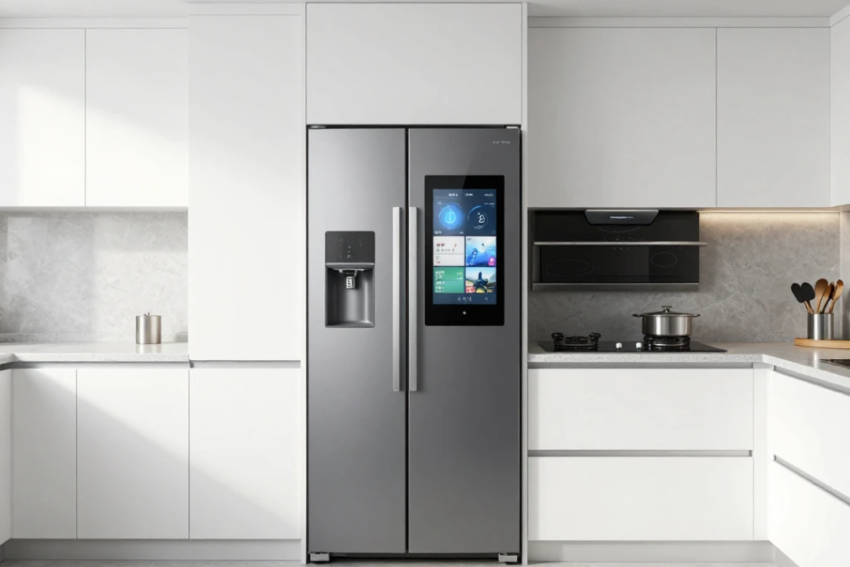
Smart refrigerators are among the most popular smart kitchen devices.
They offer features such as:
- Food inventory tracking
- Expiration date alerts
- Temperature control
- Recipe recommendations
- Remote monitoring
Some advanced refrigerators use cameras and AI to identify stored items and help users manage groceries.
These features reduce food waste and improve meal planning.
2. AI-Powered Smart Ovens
Smart ovens are changing traditional cooking methods.
AI-powered ovens can analyze food and automatically adjust:
- Temperature
- Cooking time
- Heating methods
They can help users prepare meals with better accuracy and consistency.
Smart ovens are especially useful for people who want professional cooking results without advanced skills.
3. Voice-Controlled Kitchen Assistants
Voice technology is becoming an important part of modern kitchens.
Users can control devices through simple voice commands.
Voice assistants can help with:
- Setting timers
- Finding recipes
- Managing shopping lists
- Providing cooking instructions
Hands-free control makes cooking safer and more convenient.
4. Smart Cooking Appliances
Many kitchen appliances are becoming smarter through digital connectivity.
Examples include:
- Smart air fryers
- Smart pressure cookers
- Smart coffee machines
- Smart blenders
These devices allow users to control settings through mobile applications and automate cooking processes.
5. Smart Food Management Systems
Food management is one of the most valuable features of smart kitchens.
Smart systems can:
- Track available ingredients
- Monitor freshness
- Suggest meals
- Create shopping lists
This helps households save money and reduce unnecessary food waste.
Benefits of Smart Kitchen Technology
1. Saves Time and Effort
The biggest advantage of smart kitchen technology is convenience.
Automated appliances reduce manual work and allow users to complete cooking tasks more efficiently.
Smart kitchens help people spend less time managing kitchen activities and more time enjoying meals.
2. Improves Cooking Accuracy
Smart appliances use sensors and intelligent systems to provide precise cooking control.
They help maintain:
- Correct temperatures
- Proper cooking times
- Consistent results
This reduces cooking mistakes and improves food quality.
3. Reduces Food Waste
Food waste is a major global challenge.
Smart kitchen technology helps reduce waste by:
- Tracking expiration dates
- Monitoring inventory
- Suggesting recipes
- Improving food organization
This allows households to use ingredients more effectively.
4. Increases Energy Efficiency
Smart appliances are designed to optimize energy usage.
They can automatically adjust performance based on requirements, helping reduce:
- Electricity consumption
- Operating costs
- Environmental impact
Energy-efficient kitchens support more sustainable lifestyles.
5. Supports Healthy Eating
Smart kitchens can help users make healthier food choices.
AI systems can provide:
- Nutrition information
- Healthy recipe suggestions
- Personalized meal plans
- Dietary recommendations
This makes it easier to maintain balanced eating habits.
Smart Kitchen Technology and Artificial Intelligence
Artificial Intelligence plays a central role in the development of smart kitchens.
AI allows kitchen systems to understand user behavior and improve their performance over time.
Future AI kitchen systems may:
- Create personalized meal plans
- Suggest recipes based on health goals
- Automatically order groceries
- Adjust cooking methods based on preferences
AI will continue making kitchens more intelligent and adaptable.
Smart Kitchens and Sustainability
Sustainability is becoming an important focus in modern home technology.
Smart kitchens support environmental goals by:
- Reducing food waste
- Saving energy
- Optimizing water usage
- Improving resource management
For example, smart dishwashers can adjust water usage based on the number of dishes, while smart refrigerators can reduce unnecessary cooling.
These improvements help create more environmentally friendly homes.
Challenges of Smart Kitchen Technology
Although smart kitchens offer many advantages, some challenges need to be addressed.
High Cost
Smart appliances are usually more expensive than traditional kitchen devices.
The initial investment can make adoption difficult for some consumers.
Privacy and Security Risks
Connected kitchen devices collect user information to provide personalized services.
This creates concerns about:
- Data privacy
- Cybersecurity
- Unauthorized access
Manufacturers must develop strong security systems to protect users.
Internet Dependence
Many smart kitchen devices require internet connectivity.
Network problems can affect device performance and limit functionality.
Technology Complexity
Some users may find advanced smart appliances difficult to operate.
Simple designs and better user education are necessary for wider adoption.
The Future of Smart Kitchen Technology
The future of smart kitchen technology looks highly promising.
Future developments may include:
- AI-powered personal chefs
- Fully automated cooking systems
- Advanced robotic assistants
- Smart nutrition monitoring
- Automatic grocery management
As technology continues improving, kitchens will become more intelligent and capable of managing complex tasks.
The future kitchen will not only be a place for cooking but also a smart environment that supports health, convenience, and sustainability.
How Smart Kitchen Technology Will Change Daily Life
Smart kitchens will influence everyday life by making food preparation easier and more efficient.
Future smart kitchens may:
- Prepare meals automatically
- Reduce household waste
- Improve nutrition management
- Save energy
- Provide personalized cooking assistance
These advancements will benefit families, professional cooks, and individuals looking for more convenient lifestyles.
Conclusion
The rise of smart kitchen technology represents a major transformation in the way people cook and manage food. Through AI, IoT, automation, and intelligent appliances, kitchens are becoming more connected, efficient, and personalized.
Smart refrigerators, AI ovens, voice assistants, and automated cooking systems are making everyday tasks easier while reducing waste and improving sustainability.
Although challenges such as cost, privacy, and technical complexity remain, the growth of smart kitchen technology continues to accelerate.
The future of cooking will be powered by intelligent kitchens that understand user needs, simplify food preparation, and create a smarter way of living.